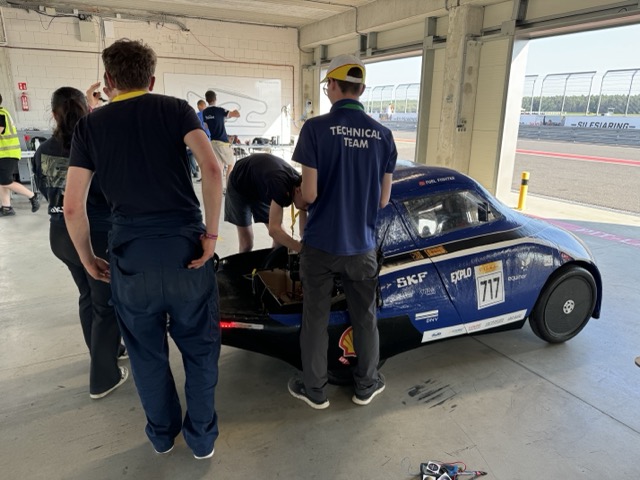
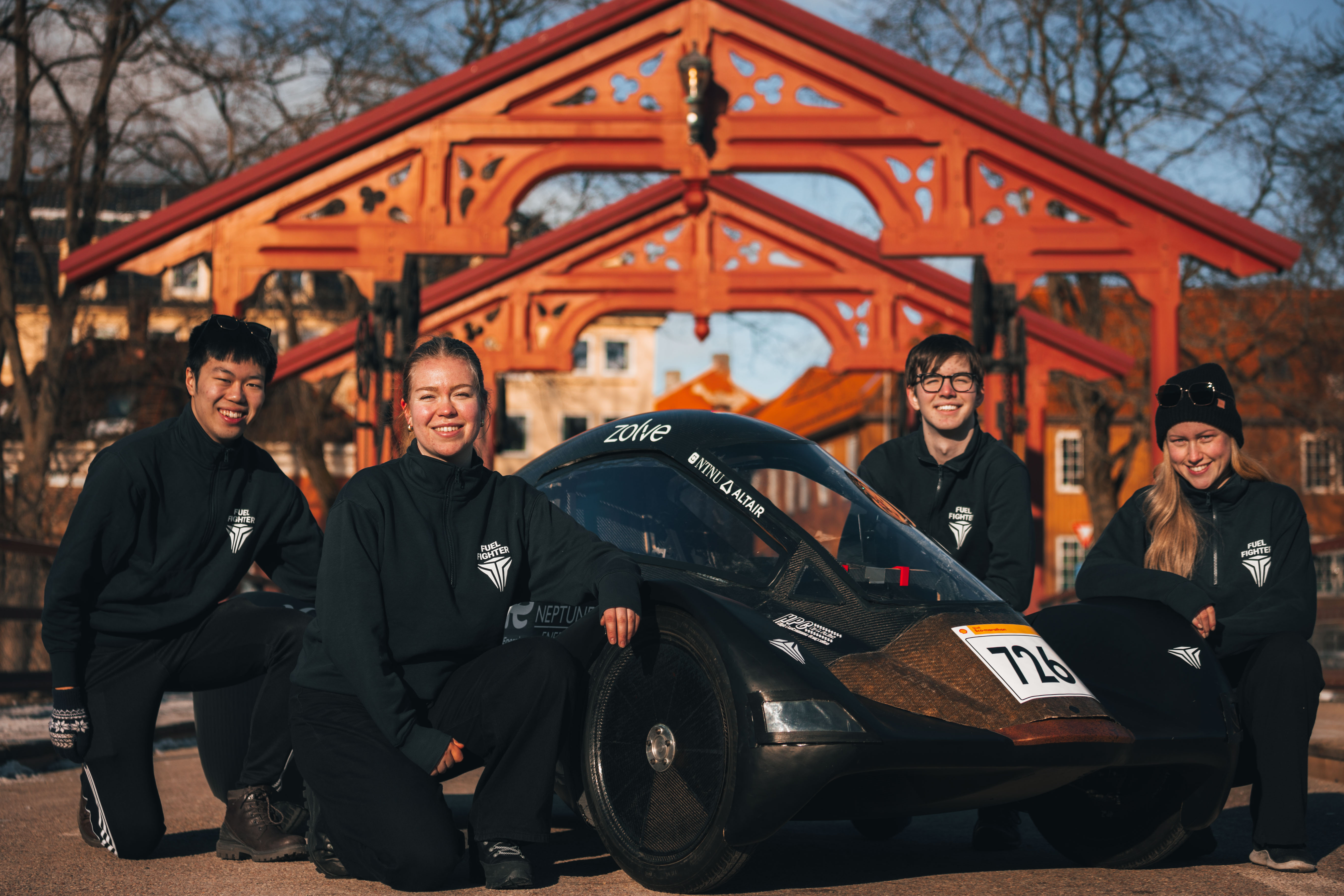
We introduced a new concept for the FF7 chassis. We wish to make a steel frame for a more sustainable and reliable car. This would make it more equipped for driving on Norwegian roads. This year we competed in the Shell Eco Marathon in Poland. Unfortunately, we did not get a valid run in the Energy Efficiency competition, but we learned a lot from this competition and will continue to improve!
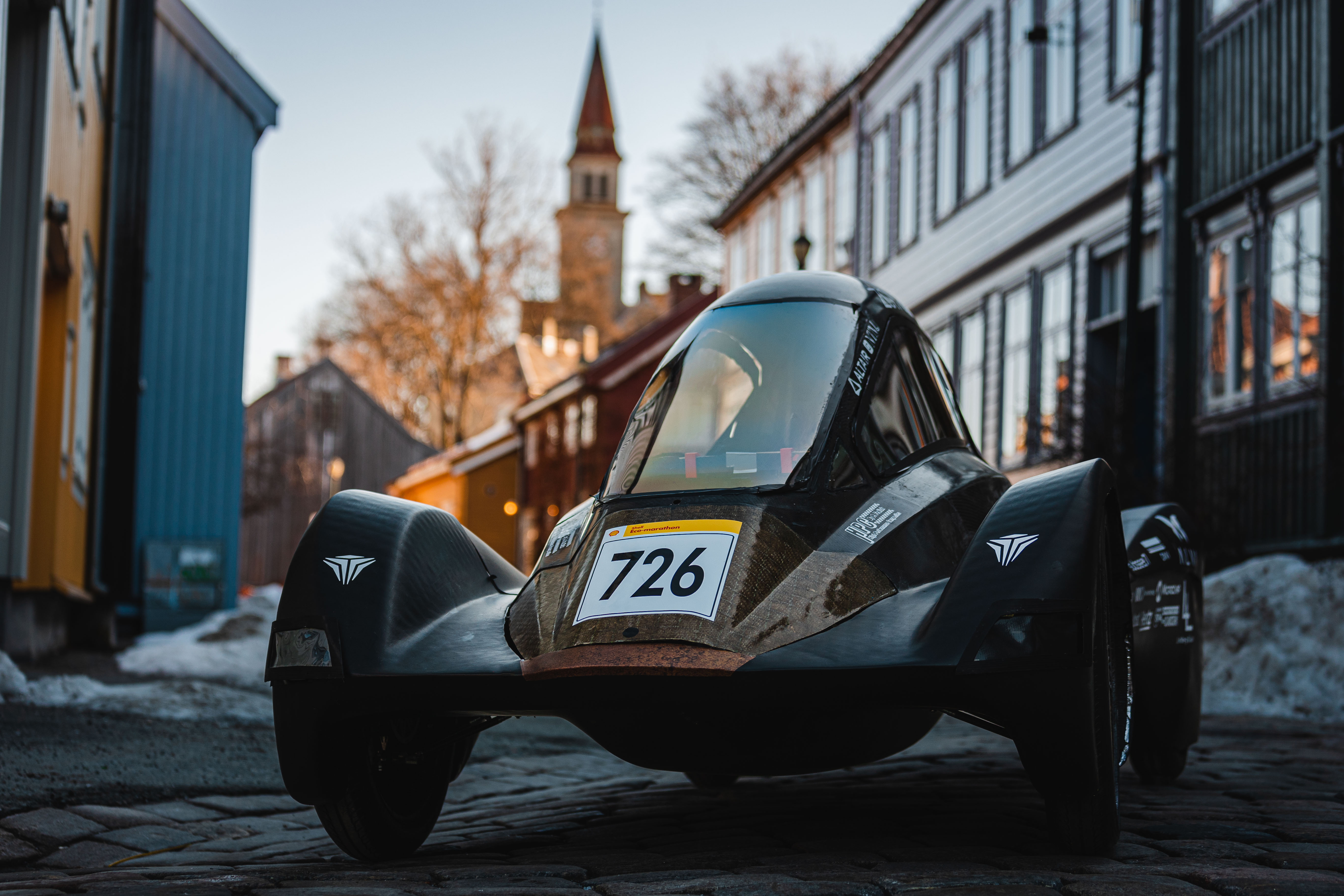
In November we had a testing of the car Fuel Fighter 6 to see what preparations and improvements needed to be done before the Shell Eco Marathon competition. Before the competition the FF6 was upgraded with a new steering system, optimized gearing system and improved drivetrain.
We competed in the Shell Eco Marathon in Nogaro, France with our car FF6. At the Shell Eco Marathon in 2023 we were the team who were the second longest in Autonomous using camera and LiDAR. We were also the only team who made motorcontrolers on site. We continued to improve the car but unfortunately was unable to get a valid run in the SEM competition.
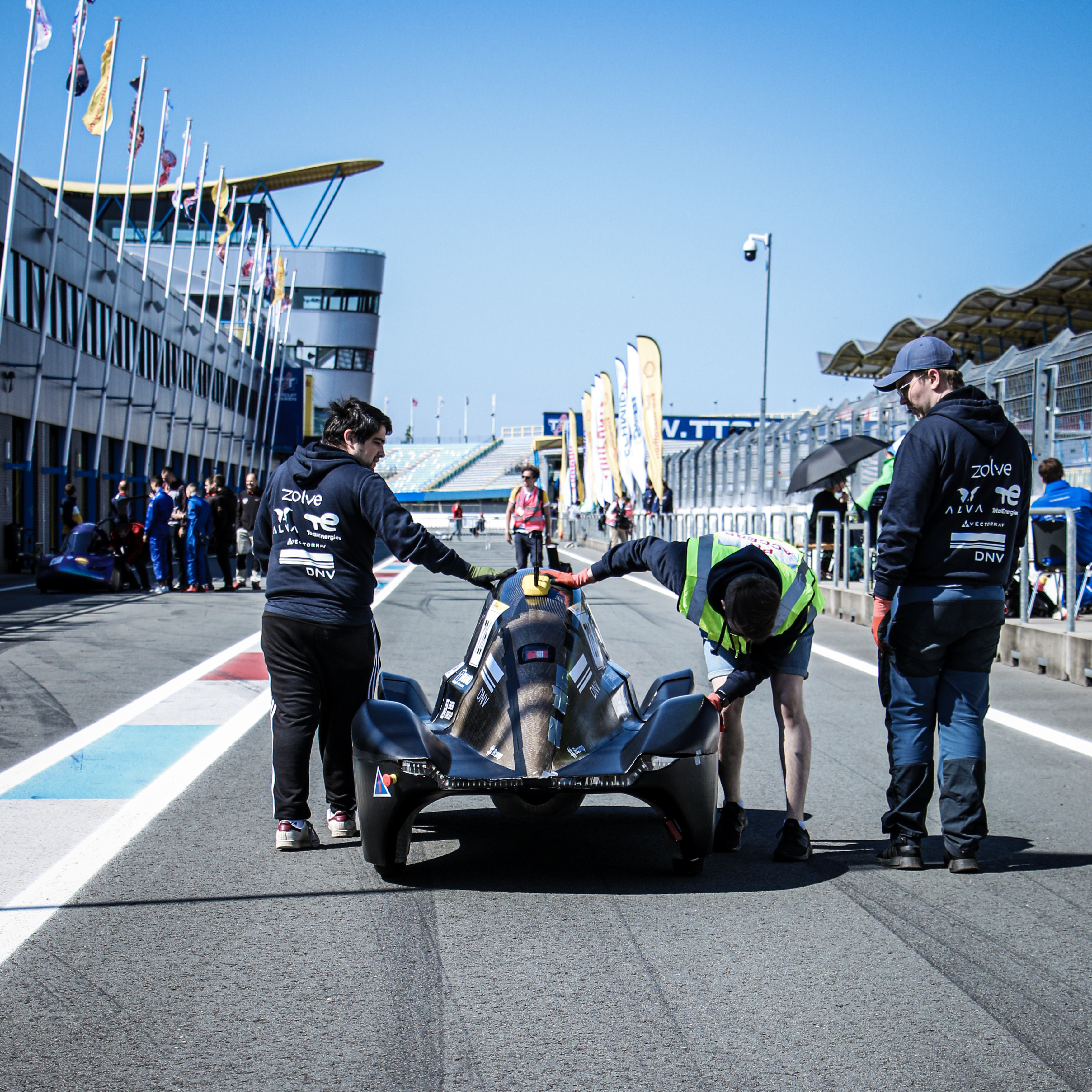
Fuel Fighter 6 was finished just in time for the competition. The team had created a brand new car with an incredible weight of 66kg. The carbon fibre with inclusions of sustainable flax fibre made the basis of our most ambitious project yet. Unfortunately, due to reliability issues, the car was not able to get a viable lap in time, and the teams ambitious car was yet to show its full potential. For the first time, the team competed in the Autonomous Challenge, placing at an impressive 3rd for the first time ever.
Covid 19 still effected us, but despite another year of lockdowns and uncertainty, we still managed to test the car in Halsa.
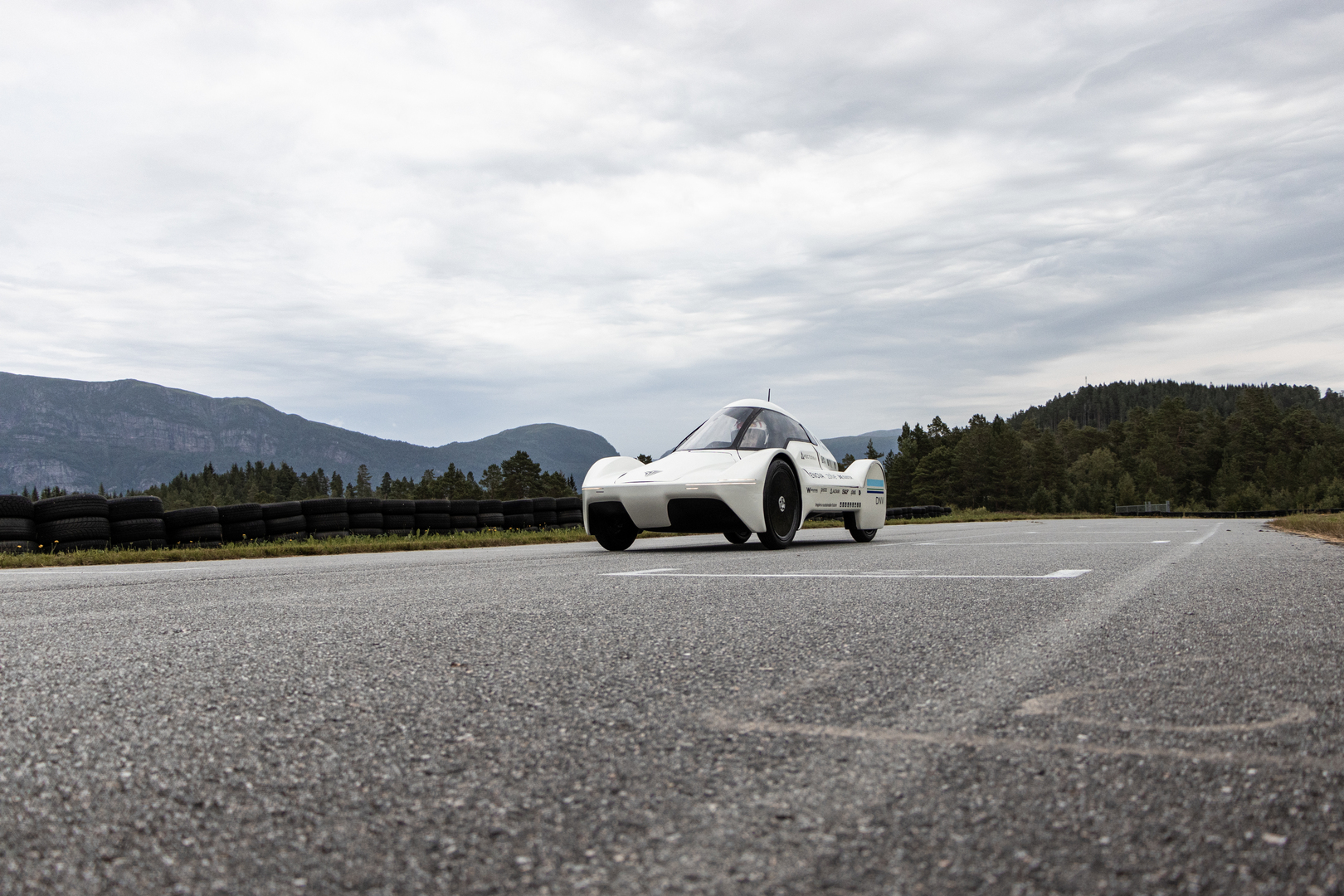
Our team was determined to continue the work on the car built last year to further develop and improve the car. But unfortunately due to the Covid-19 virus Shell Eco Marathon got canceled and the team didn't get the chance to show off the work.
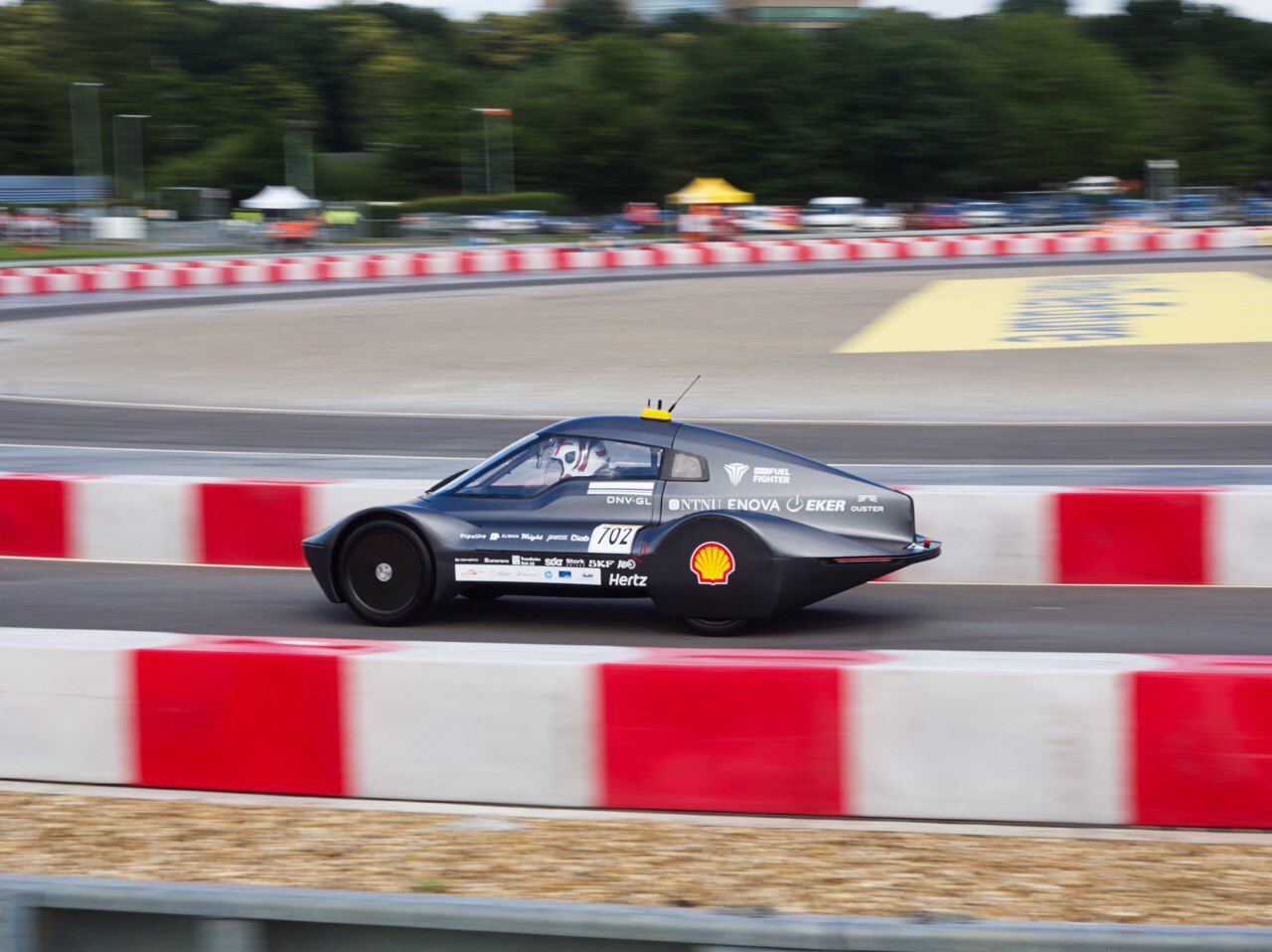
The fall of 2018 the team spent planning a new car. In the winter and spring of 2019 we built our new car, FuelFighter 5, completely from scratch, everything possible in carbon fibre. The car weighed only 73kg and performed 181km/kWh, our best performance with any car ever. That led us to a 5th place in the main competition, and winners of the vehicle design award.
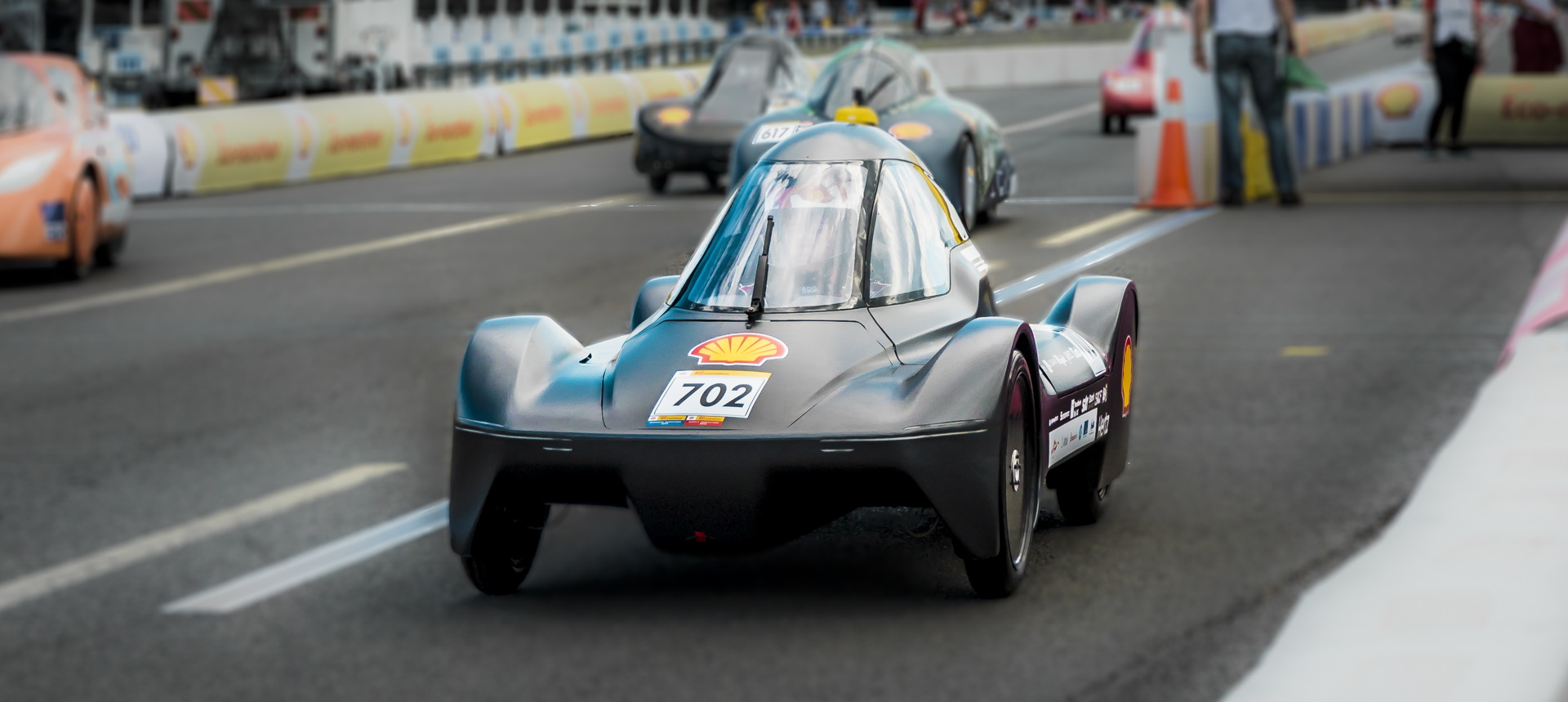
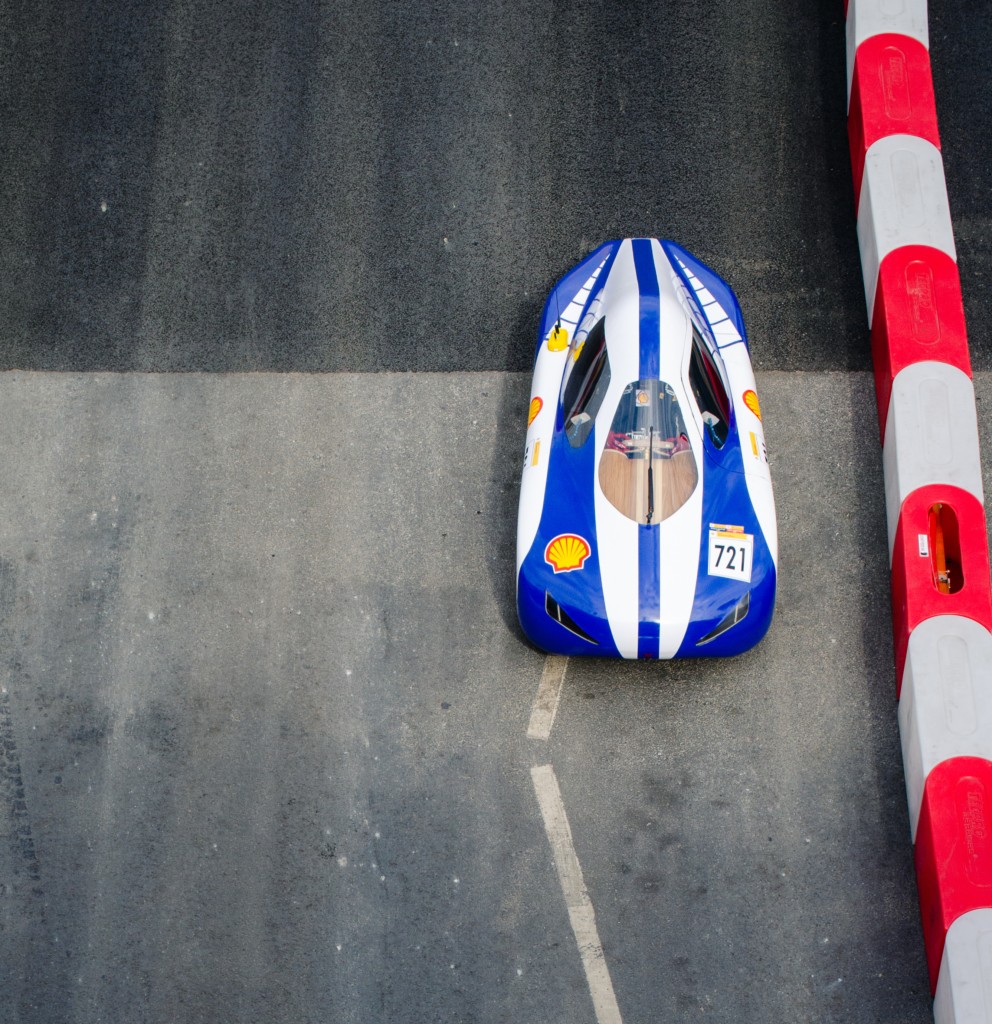
After last year's failed attempt, the 2018 DNV Fuel Fighter Team focused on improving the 2017 car. This was successfully done and the car drove into a second place in the UrbanConcept Battery-Electric class. The car was supposed to weigh 70 kg, but due to an error from the company providing the carbon fibers, it gained 20 kg more weight.
In 2017 the team built a brand new car, the DNV Fuel Fighter 4. The car was built in just five months, but unfortunately failed to complete the race.
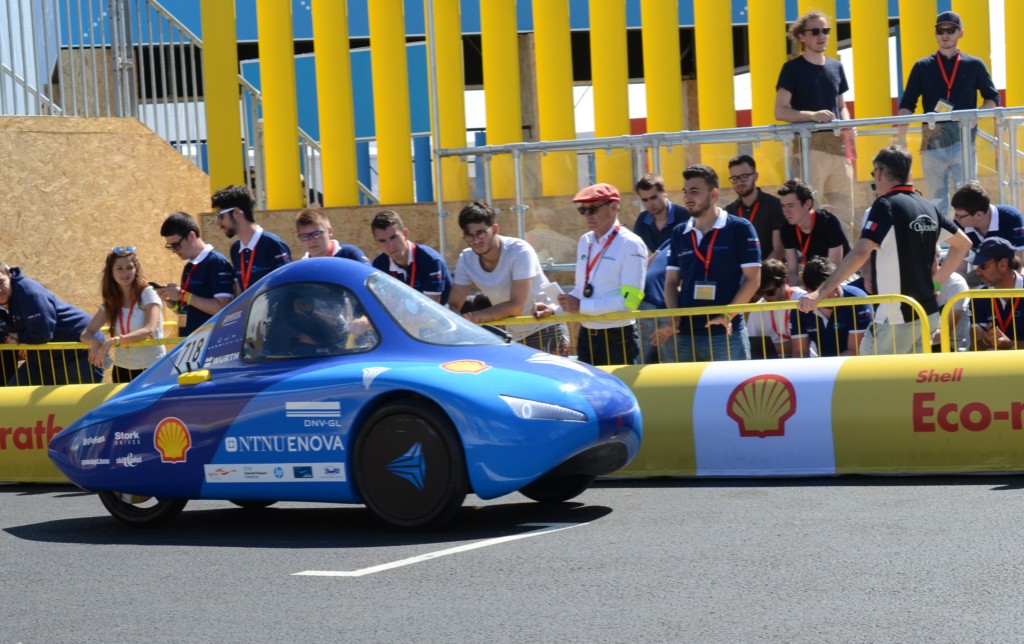
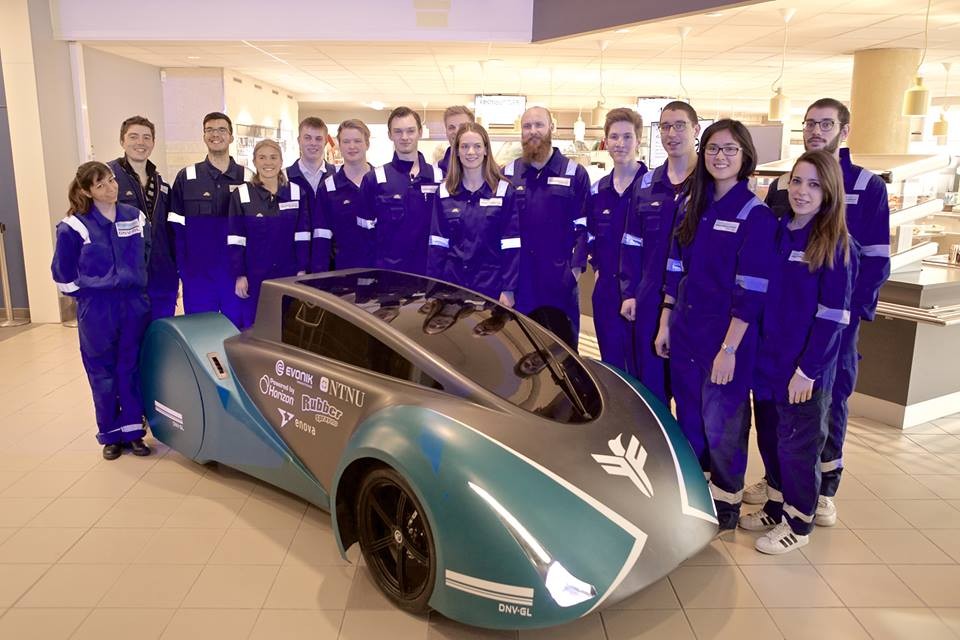
2016 is the 9th consecutive year for the team to attain sponsorship ties with DNV. One car was made this year and was powered by a hydrogen engine and has a carbon carosserie. The car was only 1.00 meters high, 1.60 meters wide and 3.00 meters long with space for one person.
Two cars from NTNU participated in Shell Eco-marathon 2015. A new Urban Concept car in the hydrogen class which took 10,000 hours to create has been developed. The car for the Urban Concept class was created around the idea that driving the car from Oslo-Trondheim will only use 0.1 L of gasoline.
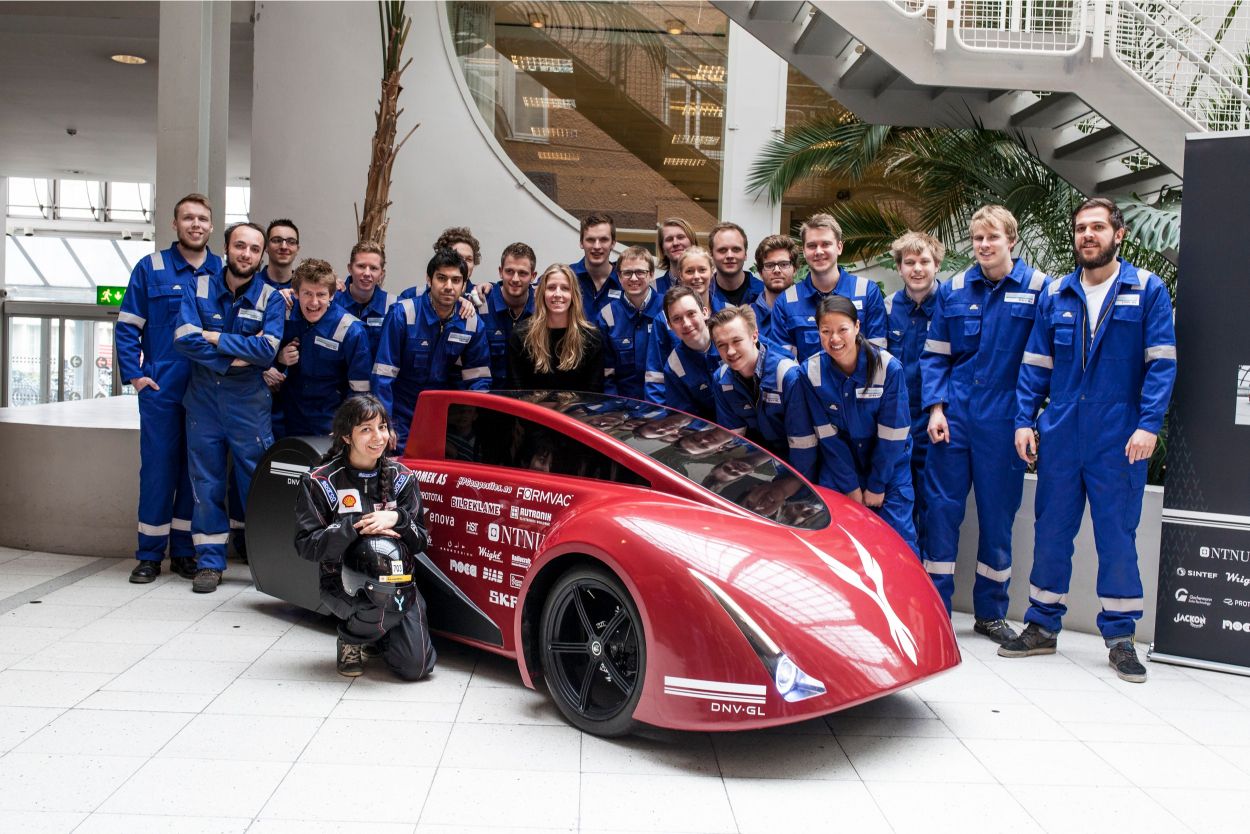
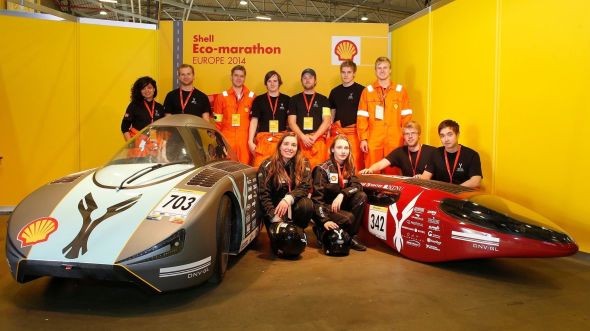
The team in 2014 reached a result of 7th place in the Prototype battery electric category & 3rd place in the Urban Concept battery electric category A. This was the first time NTNU participated in the Prototype class.
The project team consisted of 17 students who continued developing the chassis of 2012. The developments included the addition of solar panels to the car. The team won both the design and communication awards.
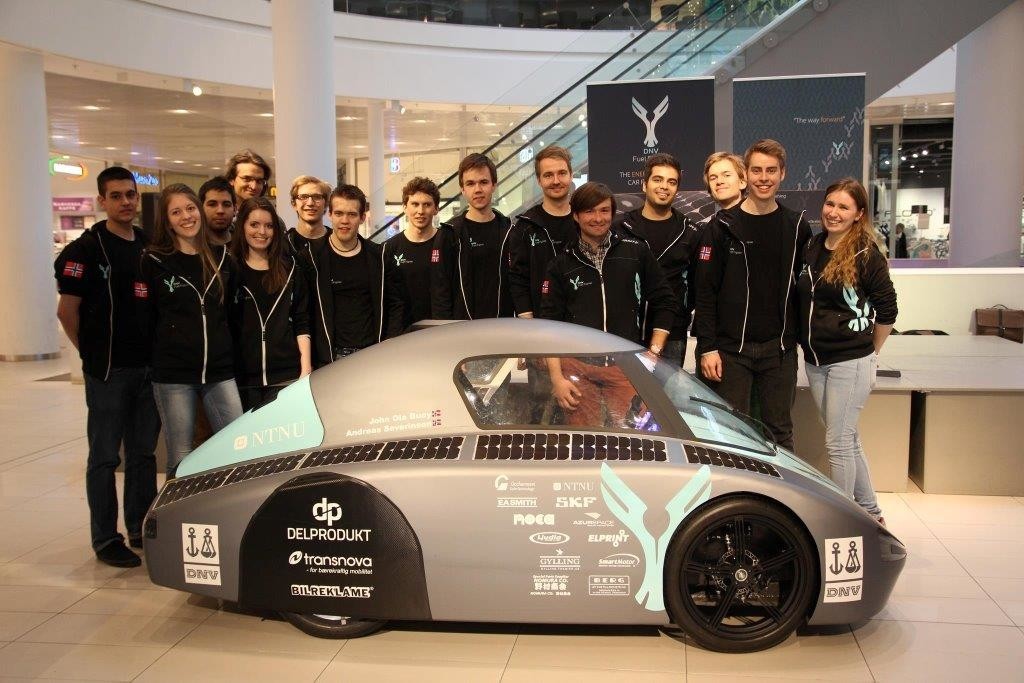
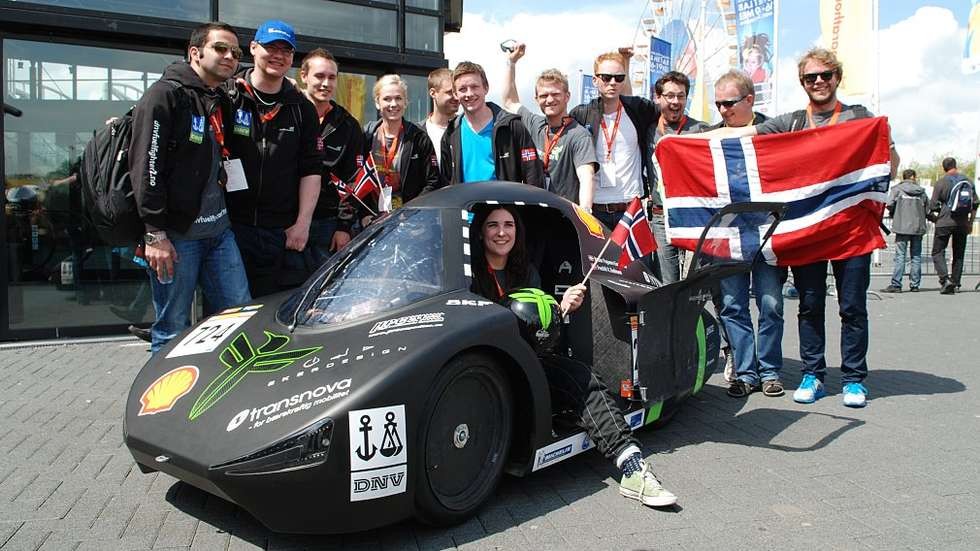
The team of 2012 decided to move away from the original fuel cell chassis and design a new electric car. The car was built completely in only one year and finished with an impressive fifth place in its class.
After the failed attempts of the 2010 team the DNV Fuel Fighter 2011 team focused heavily on systems engineering and reliability and managed a second place in the Urban Concept Fuel Cell class. This year the car managed an equivalent of 957 km (595 mi) on one liter of gasoline.
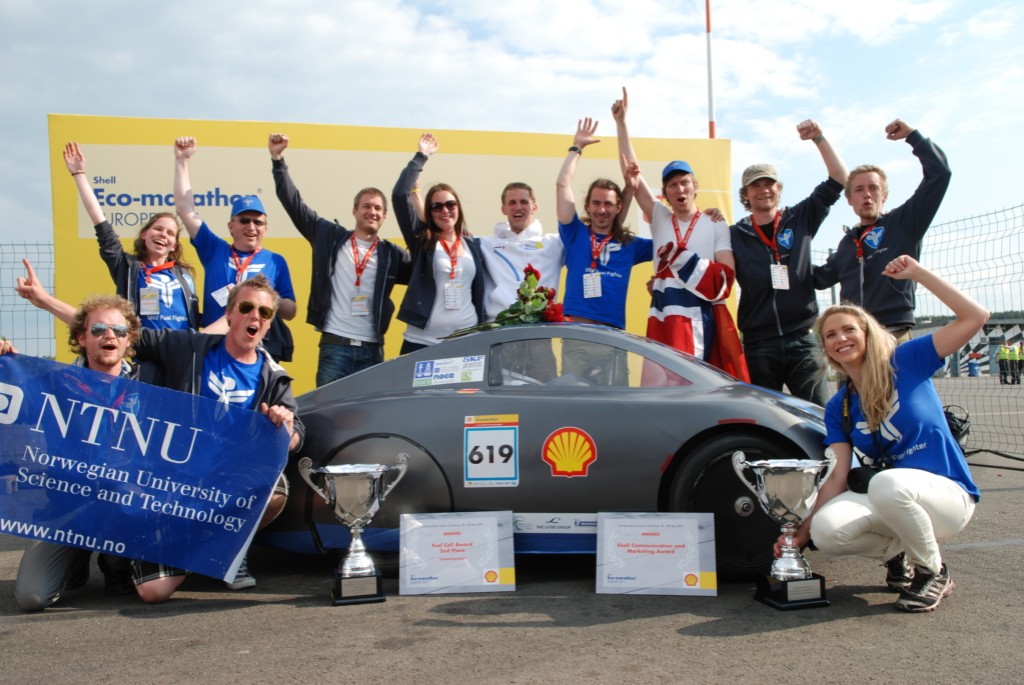
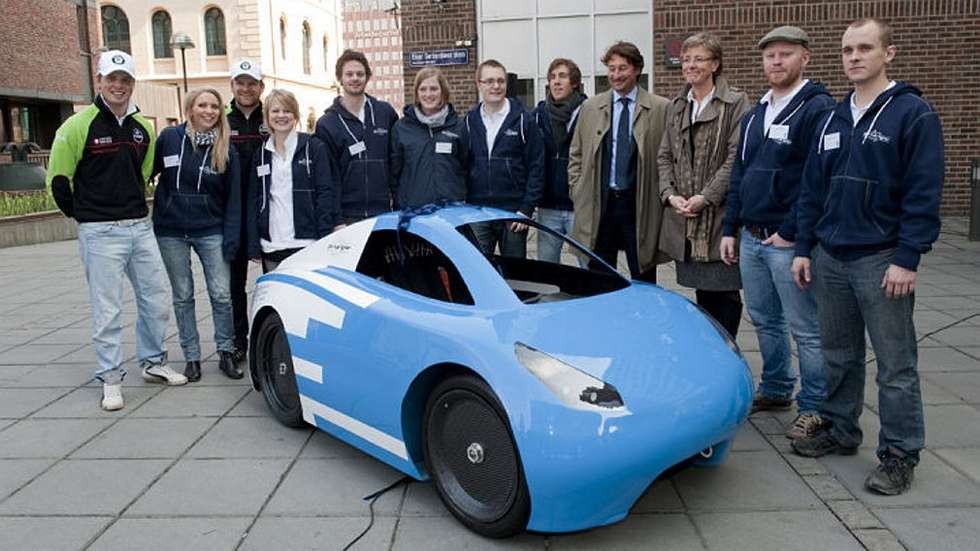
In 2010, a lot of variations and parts were changed in the car. However, the team failed to finish the race during the competition.
The team of 2009 consisted of 10 master's students who created an 80kg hydrogen fuel cell car that competed in Germany. The team broke the previous competition record and finished first, while also achieving the lowest CO2 emissions of the competition.

The first NTNU team to compete in Shell Eco-marathon was in 2008. The car was built over two years (2007-2008) by 13 students and, at the competition, the team finished second overall and won two special awards for communication and road safety.


